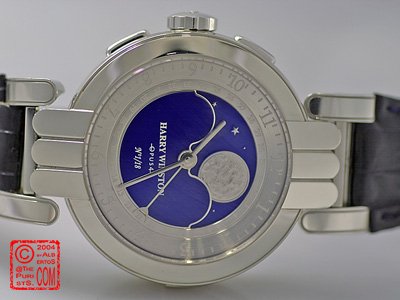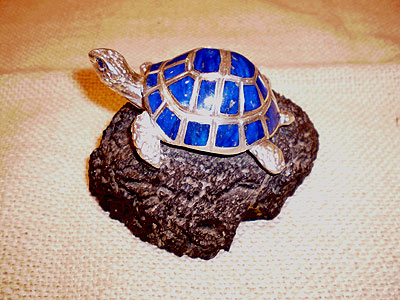
Due to its vibrant colours, relative softness and the fact that it takes an excellent polish, Lapis lends itself well for decorative purposes. Traditionally it is made into jewellery, carvings, boxes, mosaics, ornaments and vases. In architecture it has been used for cladding the walls and columns of palaces and churches.
It was also the basis for the pigment Ultramarine in tempera paint and, more rarely, oil paint.
Jewellery:


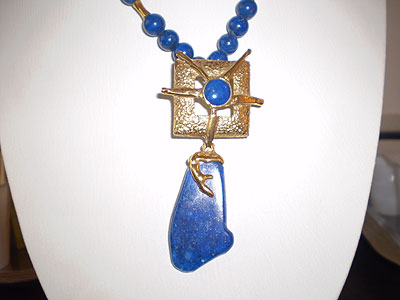


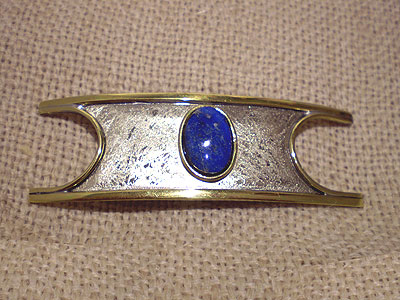
Jewellery uses predominate today and most commonly this gem is set in silver in modestly priced jewellery pieces. There is a growing trend, however, to emulate the jewellers of earlier times, and to set fine quality stones in gold occasionally with other coloured gems.
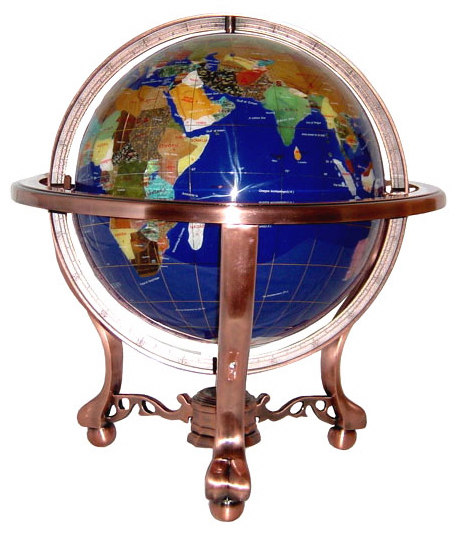
Decorations:


Pigment:



Ultramarine is famous for having been the most expensive pigment. It was more expensive than gold during the Renaissance. First used in 6th century Afghanistan, the pigment found its most extensive use in 14th and 15th century illuminated manuscripts and Italian panel paintings, often reserved for the cloaks of Christ and the Virgin. Natural ultramarine is purified from ground lapis lazuli by mixing it with wax and kneading in a dilute lye bath. The brilliant blue lazurite crystals preferentially wash out and are collected. (source)
Tiles & mosaics :
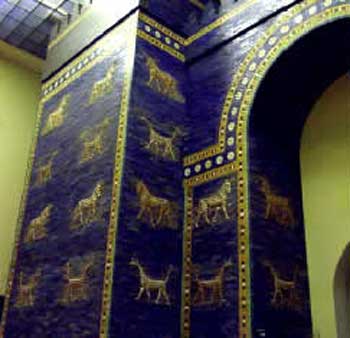


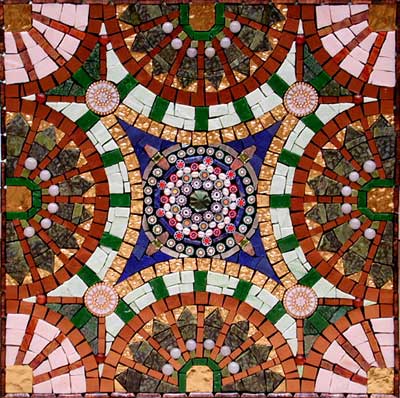

Besides regular or irregular shaped gem tiles (sold by "percent blue") most often used for mosaics, one can also find Lapis Lazuli composite Tiles which are a slab-type of tile made from natural Lapis lazuli stone that is cut into small irregularly-shaped rocks and held together using a resin, or mosaic tiles, made from lapis lazuli stone cut into small rectangular tiles and joined using a resin, then adhered to an agglomerate base for floor coverings, or to a reinforced fiberglas base for wall coverings.
Accessories: